
Domestic equity markets are in elite company. In May, Indian markets joined select developed markets (DMs) such as the US, UK and Germany to record new all-time highs. Among emerging markets (EMs), Brazil is the other market to have logged new highs this month. Asian peers such as South Korea, Taiwan and New Zealand are currently between 2 per cent and 10 per cent below their previous highs made earlier this year. The domestic markets were among the worst-performing major global markets in April amid a lethal second-wave of covid-19 infections.

With India's market capitalisation surpassing the $3-trillion mark, stocks across the board are adding heft. The upper limit for qualifying as a mid-cap stock -under the Securities and Exchange Board of India's (Sebi's) definition for mutual fund reclassification - has hit an all-time high of $5.4 billion. In 2013, amid the taper tantrum sell-off, it had dropped to just $1 billion, shows an analysis done by ICICI Securities.

Airlines are slashing salaries and re-negotiating vendor contracts as drastic fall in passengers has hurt revenue. Go First has cut staff salaries by around 16 per cent while IndiGo and SpiceJet are enforcing a leave without pay (LWP) policy and pay by the hour structure respectively to prune expenses. Vistara, which reversed pay cuts for junior staff including managers and cabin crew in March, is not touching employee salaries at the moment and instead focusing on vendor renegotiation and maximising cargo revenue. An Air India executive said efforts are on to pay salaries by 7th or 8th of June.

'Personally, I have reached that stage where I think material things can't give you any satisfaction.'

EU and UK laws require airlines to incorporate data protection measures and report data breach to regulators within 72 hours. Non-compliance can invite steep fines.

The country's dash to a $3-trillion market cap is more a case of teamwork, than a few members doing most of the heavy lifting. Sample this: The share of top 100 companies to India's total market cap (BSE-listed companies' m-cap) is 67.3 per cent currently, less than what it has been when the nation hit previous milestones, such as $1 trillion, $1.5 trillion in 2007 or $2.5 trillion more recently in December 2020. In 2007, when India's m-cap topped the $1-trillion mark for the first time, the top 100 companies accounted for three-fourths of the total m-cap; at $1.5 trillion, the share was almost 80 per cent.

Thirteen companies have joined the Rs 1-trillion-plus market capitalisation club this year, so far. This even as the benchmark Sensex has gained less than 3 per cent on a year-to-date basis, underscoring the bullish undercurrent in the broader market. The trend shows a harsh second wave of Covid-19, subsequent lockdowns, and hit to the economic activity has made little dent into India Inc or shareholders' wealth. At the start of the year, there were 29 companies with a market value of more than Rs 1 trillion.

In 2020-21, Indian firms offered to buy back shares worth Rs 39,295 crore, or 97% more than Rs 19,972 cr proposed in the previous financial year.

Covid-19, US yields, dollar to weigh on equity flows in the near term.
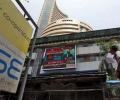
The 30-share bluechip index is rebalanced on a semi-annual basis with next rejig slated for June 18.

While the stocks met various other inclusion parameters, there were fears they may still get disqualified given the sharp run up in their stock prices.

Amid oxygen shortage and a faltering health system in the country, India is seeing over 300,000 cases daily.

The Russian vaccine has been registered in more than 55 countries and is gaining recognition in the virtual world -- being the only to have its own Facebook page, YouTube channel and a Twitter handle, reports Aneesh Phadnis

The listing day gain-to-loss ratio for FY21 was 71 per cent, the highest since FY17, when it was 85 per cent.

According to the order, all factories producing essential goods and services will remain operational at full capacity.

'Traders have stocked up for upcoming festivals and will make a loss if stores remain shut now. We suffered last year. We can't suffer again. There is no scientific basis for closing all commercial establishments. How long will the government keep them shut?'

One reason for the surge in cases is the spread of infection at large weddings. Weddings turned out to be super spreaders.

The finance ministry said the sharp inflows last fiscal were due to the government's policy initiatives and economic recovery.

'It won't help being complacent about the momentum and valuations of equities that currently exist.'

'We urge the government to have discussions with private labs on the actual cost of running a test.'
 © 2026 Rediff.com - Investor Information - Advertise with us - Disclaimer - Privacy Policy - Sitemap - Feedback - About us - Terms of use - Grievances